
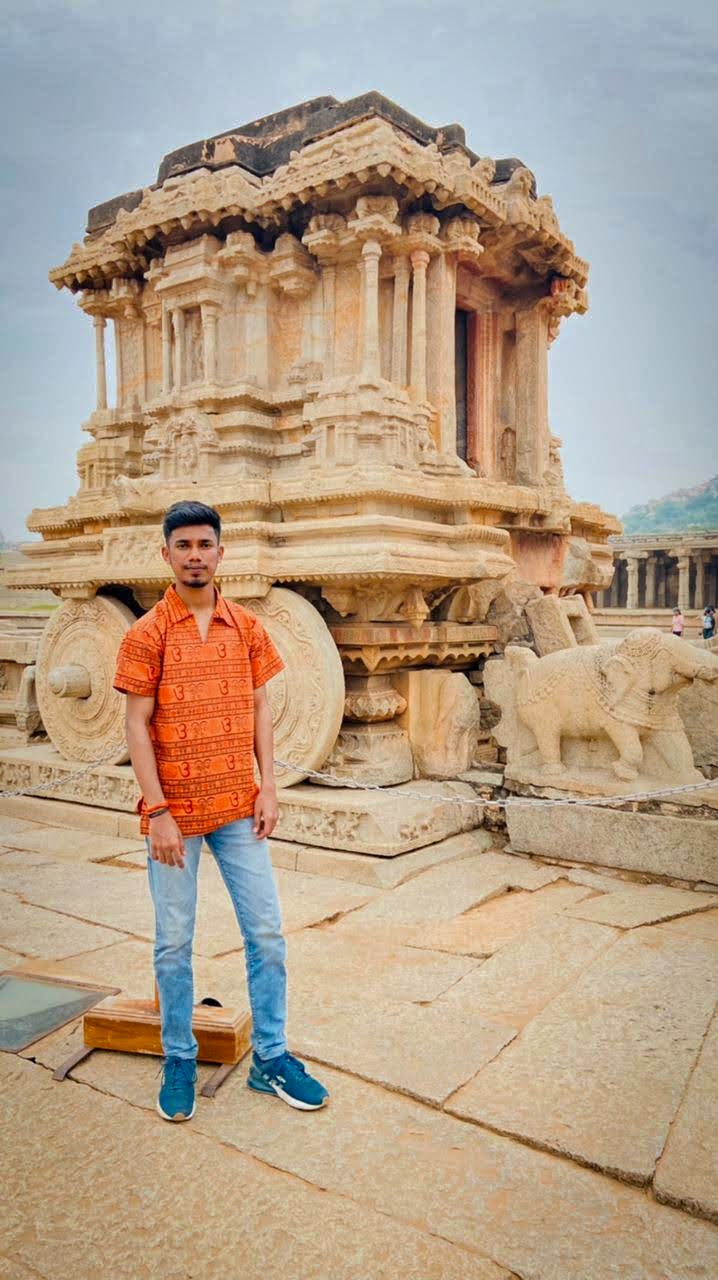

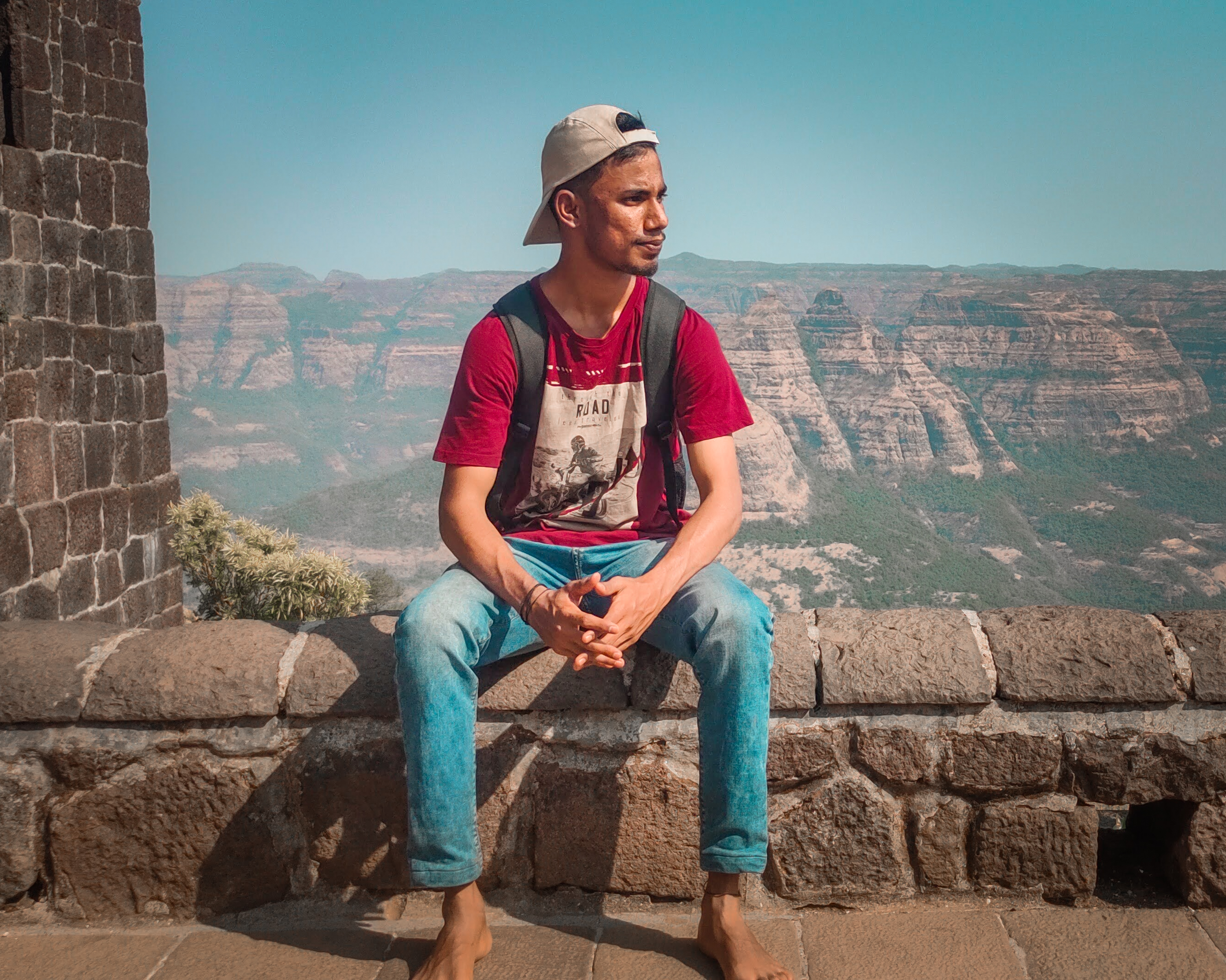
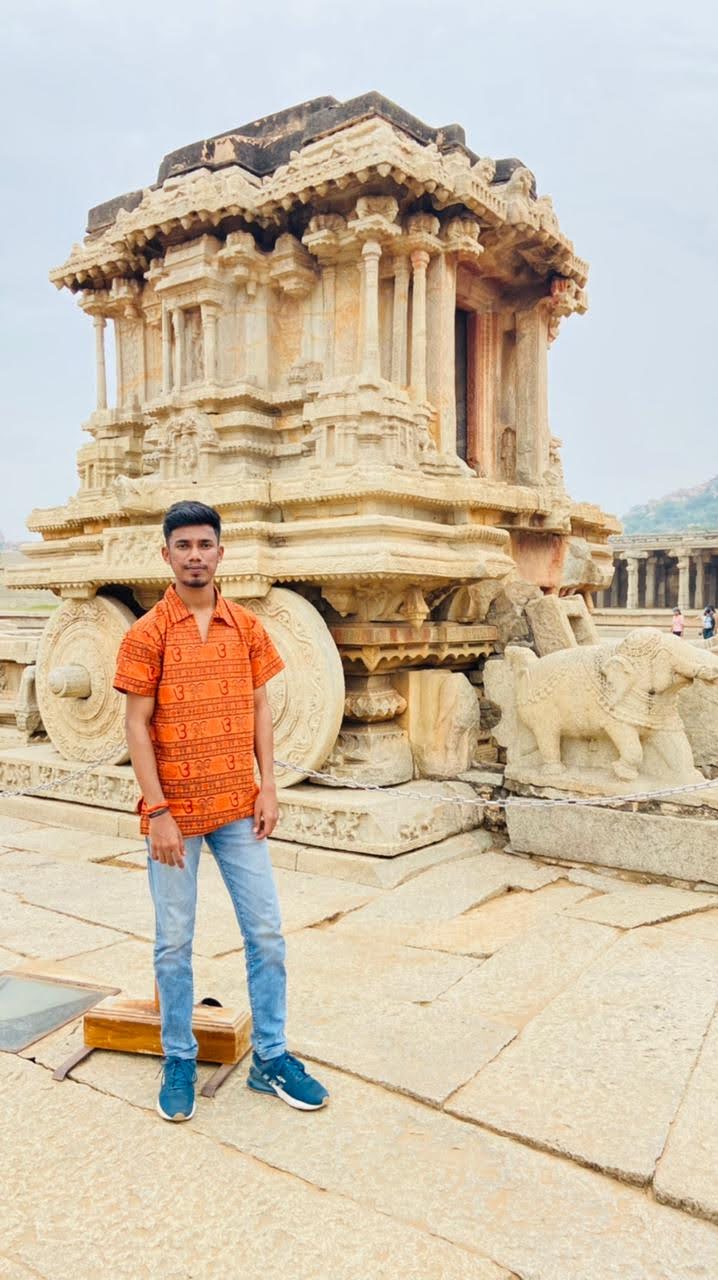
Hampi is one of finest historical sites of ancient age in the world. It was the initial capital city of famous historical Vijayanagara Empire located on the bank of Tungabhadra River about 11 km away from Hospet City. Hampi is a small location covered an area of 25 sq. km. and it is totally bounded by mountains (Anjaneya, Malyavanta and Matanga Hills) by the three sites and rest one site is bordered by Tungabhadra River. It is believed by Hindus that Hampi was a kingdom of Monkeys (according to the Ramayana) before Vijayanagara Empire in pre-ancient age (around 1 CE) when the city was known as Kishkindha.
Read More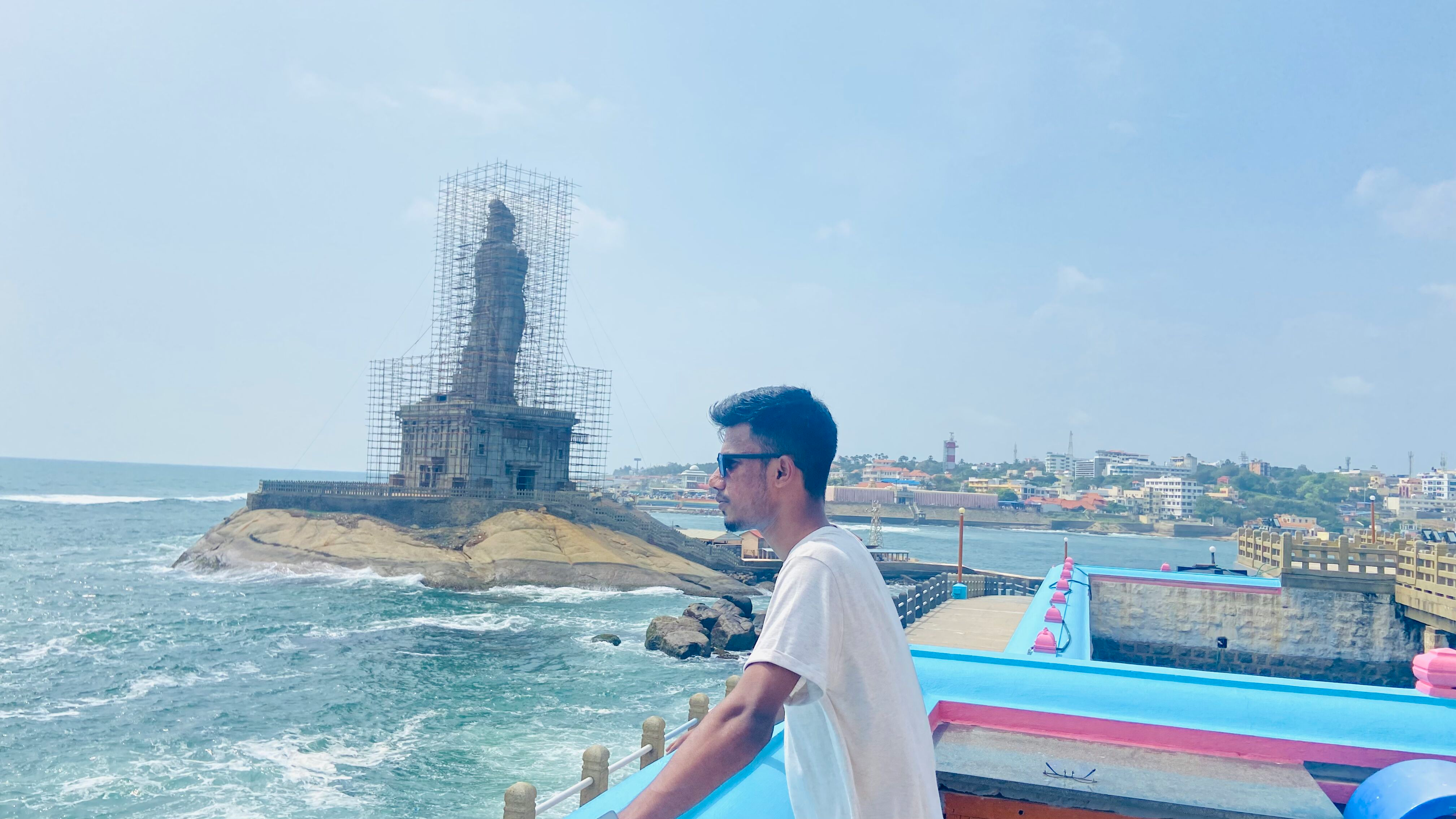
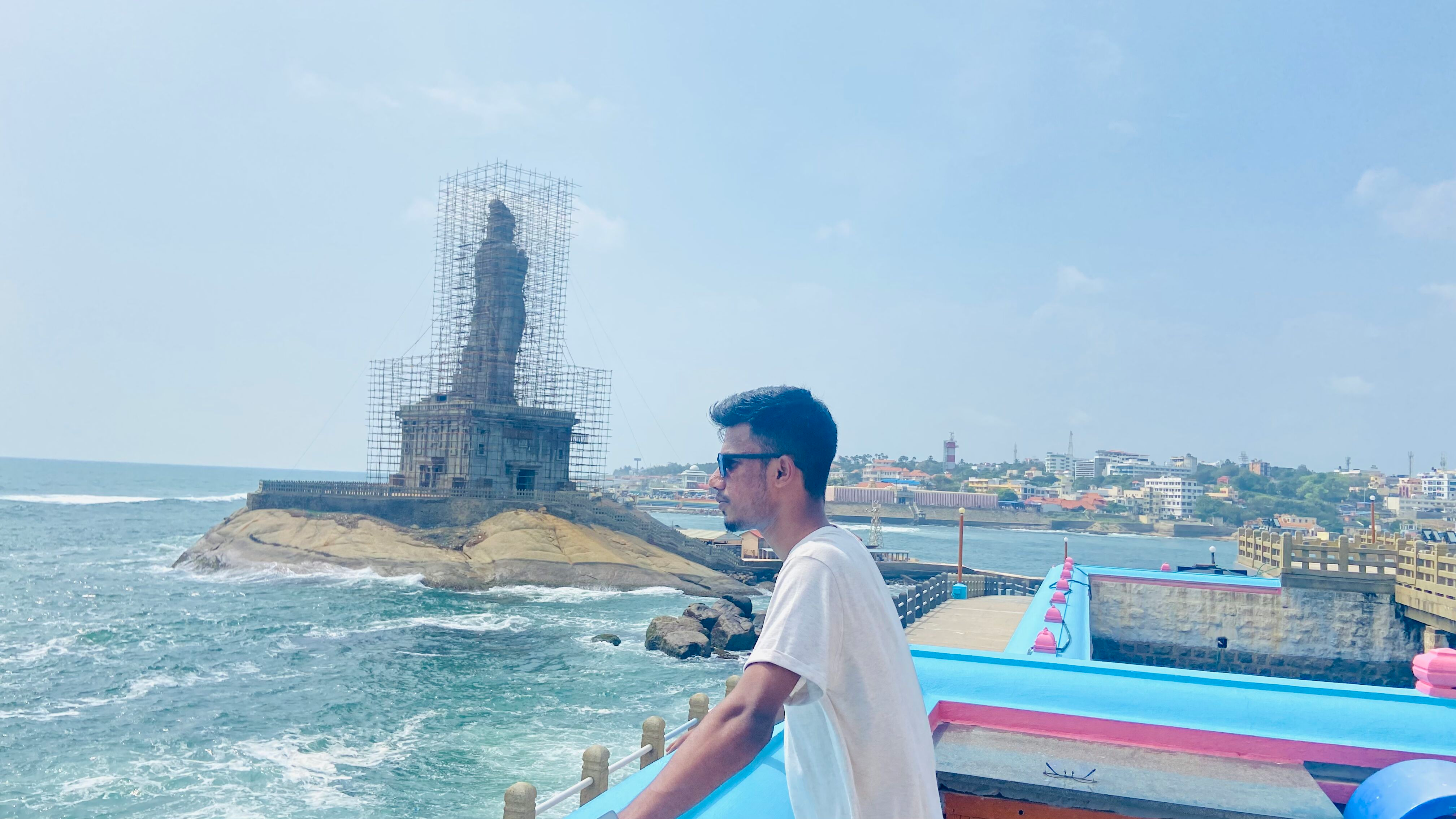
Kanyakumari is a coastal town in the state of Tamil Nadu on India's southern tip. Jutting into the Laccadive Sea, the town was known as Cape Comorin during British rule and is popular for watching sunrise and sunset over the ocean. It's also a noted pilgrimage site thanks to its Bagavathi Amman Temple dedicated to a consort of Shiva, and its Our Lady of Ransom Church, a center of Indian Catholicism.
Read More.png)
Goa is a state in western India with coastlines stretching along the Arabian Sea. Its long history as a Portuguese colony prior to 1961 is evident in its preserved 17th-century churches and the area’s tropical spice plantations. Goa is also known for its beaches, ranging from popular stretches at Baga and Palolem to those in laid-back fishing villages such as Agonda.
Read MoreKerala, a state on India's tropical Malabar Coast, has nearly 600km of Arabian Sea shoreline. It's known for its palm-lined beaches and backwaters, a network of canals. Inland are the Western Ghats, mountains whose slopes support tea, coffee and spice plantations as well as wildlife. National parks like Eravikulam and Periyar, plus Wayanad and other sanctuaries, are home to elephants, langur monkeys and tigers.
Read More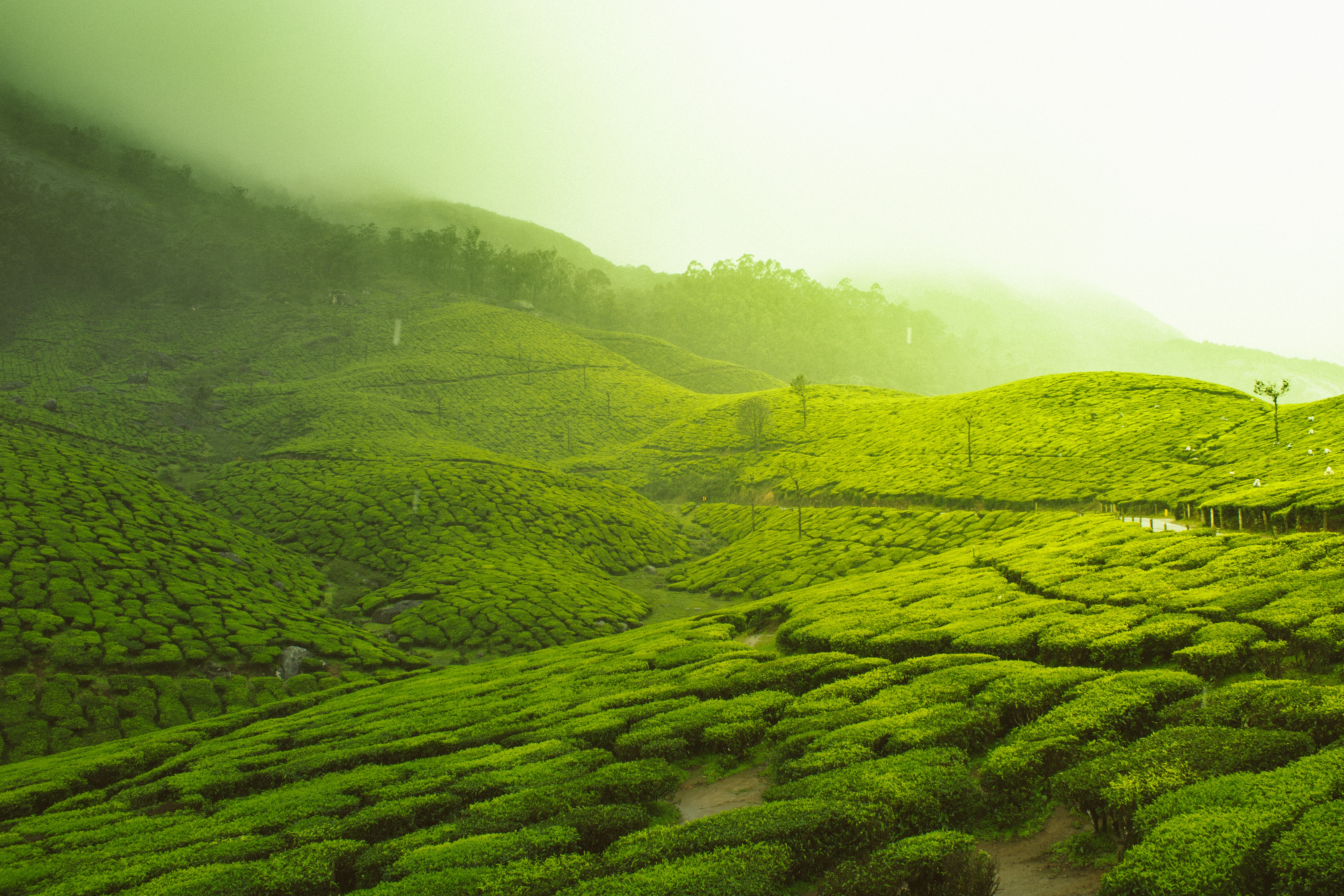
“Kerala, a land of diverse landscapes and natural wonders.” “Kerala, where every breath you take is a refreshing experience.”
Shimla is the capital of the northern Indian state of Himachal Pradesh, in the Himalayan foothills. Once the summer capital of British India, it remains the terminus of the narrow-gauge Kalka-Shimla Railway, completed in 1903. It’s also known for the handicraft shops that line The Mall, a pedestrian avenue, as well as the Lakkar Bazaar, a market specializing in wooden toys and crafts
Read More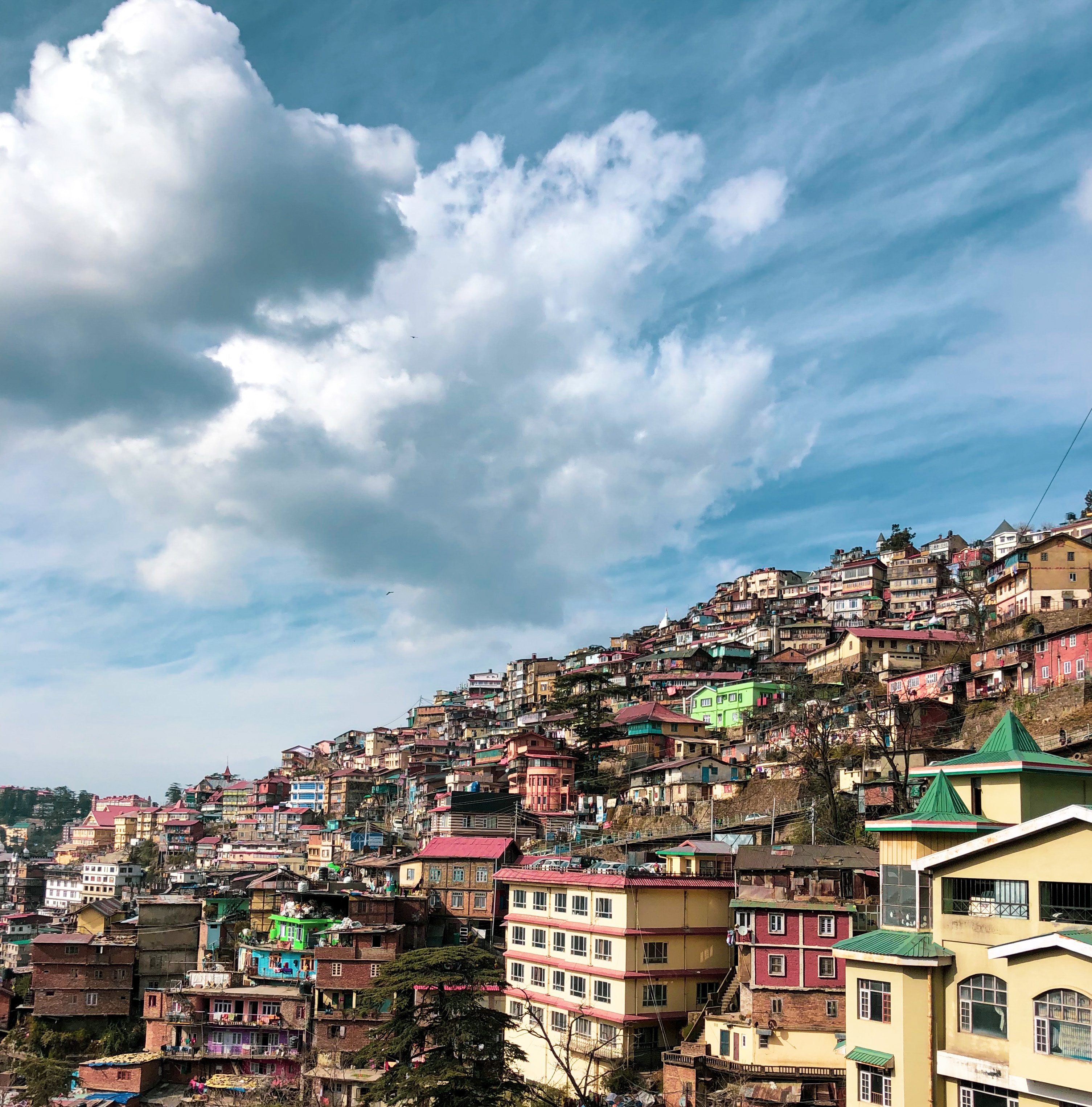
In short, it became a home away from home for the Britishers, who made it their summer capital. Built on a crescent-shaped range of seven hills, Shimla was then rightly crowned as the 'Queen of Hills'.